
لماذا يعد الامتثال لقانون حماية البيانات الشخصية مهمًا لاعتماد الذكاء الاصطناعي؟
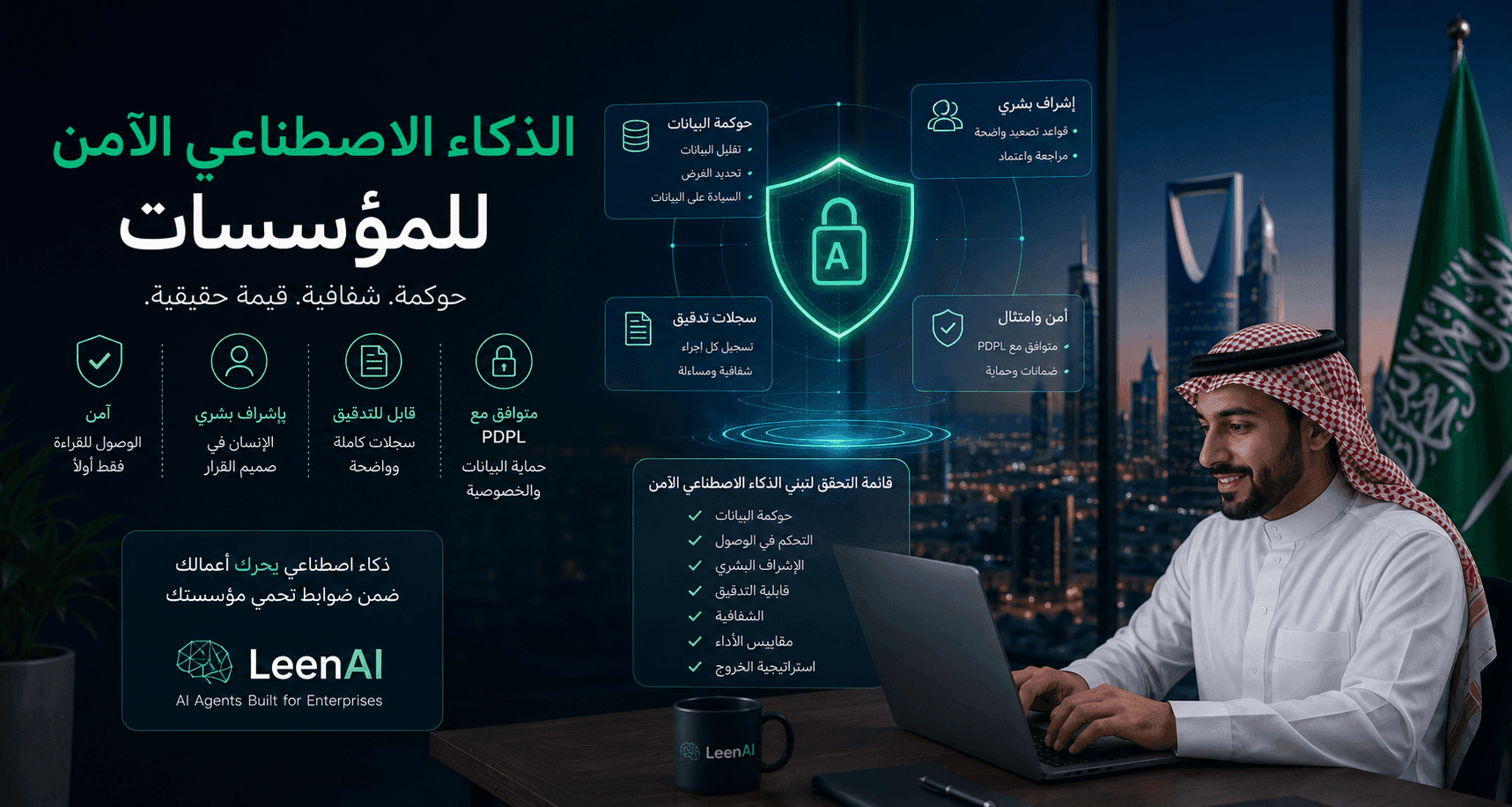
في سياق المملكة العربية السعودية، يعتبر الامتثال لقانون حماية البيانات الشخصية (PDPL) حجر الزاوية لاعتماد أي تقنية ذكاء اصطناعي. يجب على المؤسسات ضمان أن تكون أنظمة الذكاء الاصطناعي مصممة مع مراعاة تقليل البيانات وإقامتها. وهذا يعني أنه من المراحل الأولى لنشر الذكاء الاصطناعي، يجب على الشركات دمج آليات تسمح بسجلات التدقيق وضمان أن يكون الوصول إلى البيانات مقيدًا ومراقبًا. لا يتماشى هذا الامتثال مع المتطلبات القانونية فحسب، بل يبني أيضًا الثقة مع أصحاب المصلحة، وهو أمر ضروري لنجاح تكامل الذكاء الاصطناعي.
علاوة على ذلك، يضمن الامتثال لقانون حماية البيانات الشخصية أن تكون المؤسسات مستعدة لأي عمليات تدقيق أو تقييم من قبل الهيئات التنظيمية. من خلال دمج مبادئ قانون حماية البيانات الشخصية في أنظمة الذكاء الاصطناعي، يمكن للأعمال تجنب المشكلات القانونية المحتملة والتركيز على استخدام الذكاء الاصطناعي لتحسين عملياتها. يدعم هذا الامتثال أيضًا الأهداف الأوسع لرؤية 2030 من خلال تعزيز التحول الرقمي الآمن والشفاف.
كيف يمكن للمؤسسات ضمان الإشراف البشري على أنظمة الذكاء الاصطناعي؟
الإشراف البشري هو عنصر حاسم في اعتماد الذكاء الاصطناعي الآمن. يجب على المؤسسات تنفيذ أنظمة ذكاء اصطناعي تعمل على أساس القراءة فقط أولاً، مما يضمن أن جميع القرارات التي تتخذها وكلاء الذكاء الاصطناعي تتم مراجعتها واعتمادها من قبل المشغلين البشريين. هذه الطريقة التي تشمل البشر في العملية لا تعزز الأمان والموثوقية لأنظمة الذكاء الاصطناعي فحسب، بل تضمن أيضًا أن يحتفظ صناع القرار بالتحكم في الإجراءات التي يقودها الذكاء الاصطناعي.
لتسهيل ذلك، يمكن للمؤسسات إنشاء بروتوكولات واضحة لتحديد متى وكيف يكون التدخل البشري ضروريًا. يمكن تطوير برامج تدريبية لتزويد الموظفين بالمهارات اللازمة للإشراف الفعال على العمليات الذكاء الاصطناعي. من خلال الحفاظ على التوازن بين الأتمتة والإشراف البشري، يمكن للمؤسسات تحقيق كفاءة أكبر دون التضحية بالأمان أو التحكم.
ما هو دور حوكمة البيانات في اعتماد الذكاء الاصطناعي الآمن؟
تلعب حوكمة البيانات دورًا محوريًا في ضمان اعتماد الذكاء الاصطناعي بشكل آمن داخل المؤسسات. يسمح إطار حوكمة البيانات القوي للمؤسسات بإدارة جودة البيانات والخصوصية والأمان بشكل فعال. يتضمن ذلك وضع سياسات وإجراءات شاملة تحدد كيفية جمع البيانات وتخزينها واستخدامها بواسطة أنظمة الذكاء الاصطناعي.
يجب على المؤسسات الاستثمار في تقنيات تدعم تشفير البيانات وإخفاء الهوية والتدقيق المنتظم. من خلال القيام بذلك، يمكنها حماية المعلومات الحساسة وضمان أن تكون أنظمة الذكاء الاصطناعي لديها مقاومة ضد التهديدات السيبرانية. تتضمن حوكمة البيانات الفعالة أيضًا توعية الموظفين بأفضل الممارسات في التعامل مع البيانات، مما يعزز ثقافة الأمان والامتثال.
كيف يتم دمج الذكاء الاصطناعي مع الأنظمة المؤسسية الحالية؟
يمكن أن يكون دمج الذكاء الاصطناعي مع الأنظمة الحالية مهمة صعبة، ولكنه ضروري لتحقيق أقصى استفادة من تقنيات الذكاء الاصطناعي. يجب على المؤسسات البدء بإجراء تقييم شامل لبنيتها التحتية لتكنولوجيا المعلومات الحالية لتحديد نقاط التكامل المحتملة. يجب أن يركز هذا التقييم على التوافق والقابلية للتوسع والقدرة على دعم العمليات الثنائية اللغة، خاصة باللغة العربية والإنجليزية.
بمجرد تحديد نقاط التكامل، يمكن للشركات العمل على تطوير واجهات برمجة التطبيقات والبرامج الوسيطة التي تسهل التواصل السلس بين وكلاء الذكاء الاصطناعي والأنظمة الحالية. يضمن ذلك أن الحلول الذكاء الاصطناعي مثل SmartQuote وWhatsApp CX يمكن أن تعمل بفعالية داخل منظومة المؤسسة، مما يوفر رؤى في الوقت الحقيقي وتعزيز عمليات اتخاذ القرار.
ما هي الاعتبارات الرئيسية لقدرات الذكاء الاصطناعي الثنائية اللغة؟
بالنسبة للمؤسسات السعودية، فإن وجود أنظمة ذكاء اصطناعي تعمل بلغتين، العربية والإنجليزية، ليس مجرد ميزة بل ضرورة. تضمن هذه القدرة أن الذكاء الاصطناعي يمكنه خدمة قواعد العملاء المتنوعة بفعالية وتلبية الاحتياجات اللغوية لقوة العمل. يجب على المؤسسات إعطاء الأولوية للحلول الذكاء الاصطناعي التي تقدم قدرات معالجة اللغة الطبيعية (NLP) القوية في كلتا اللغتين.
يدعم الذكاء الاصطناعي الثنائي اللغة أيضًا الامتثال للأنظمة المحلية ويعزز تجربة المستخدم من خلال توفير تفاعلات دقيقة ومناسبة ثقافيًا. من خلال الاستثمار في تقنيات الذكاء الاصطناعي الثنائية اللغة، يمكن للشركات تحسين رضا العملاء وتوسيع نطاقها السوقي، بما يتماشى مع الأهداف الاستراتيجية لرؤية 2030.
ماذا يقدم الطيار لمدة 6 أسابيع؟
تم تصميم الطيار لمدة 6 أسابيع لتزويد المؤسسات بفهم واضح للعائد على الاستثمار المحتمل وفعالية حلول الذكاء الاصطناعي. خلال هذه الفترة، يمكن للشركات تقييم أداء نظام الذكاء الاصطناعي مقابل مؤشرات الأداء الرئيسية المحددة مسبقًا مثل الوقت للاستجابة (TTQ)، وحل الاتصال الأول (FCR)، ومتوسط وقت المعالجة (AHT).
يتضمن الطيار حزمة قبول شاملة تغطي اختبار قبول المستخدم والتقييمات والتدريب. يضمن هذا النهج المنظم أن تكون المؤسسات مستعدة تمامًا لتنفيذ حلول الذكاء الاصطناعي على نطاق واسع، مع الثقة في أمانها وامتثالها وفوائدها التشغيلية.