
لماذا يعتبر الامتثال لنظام حماية البيانات حاسمًا لأنظمة الذكاء الاصطناعي؟
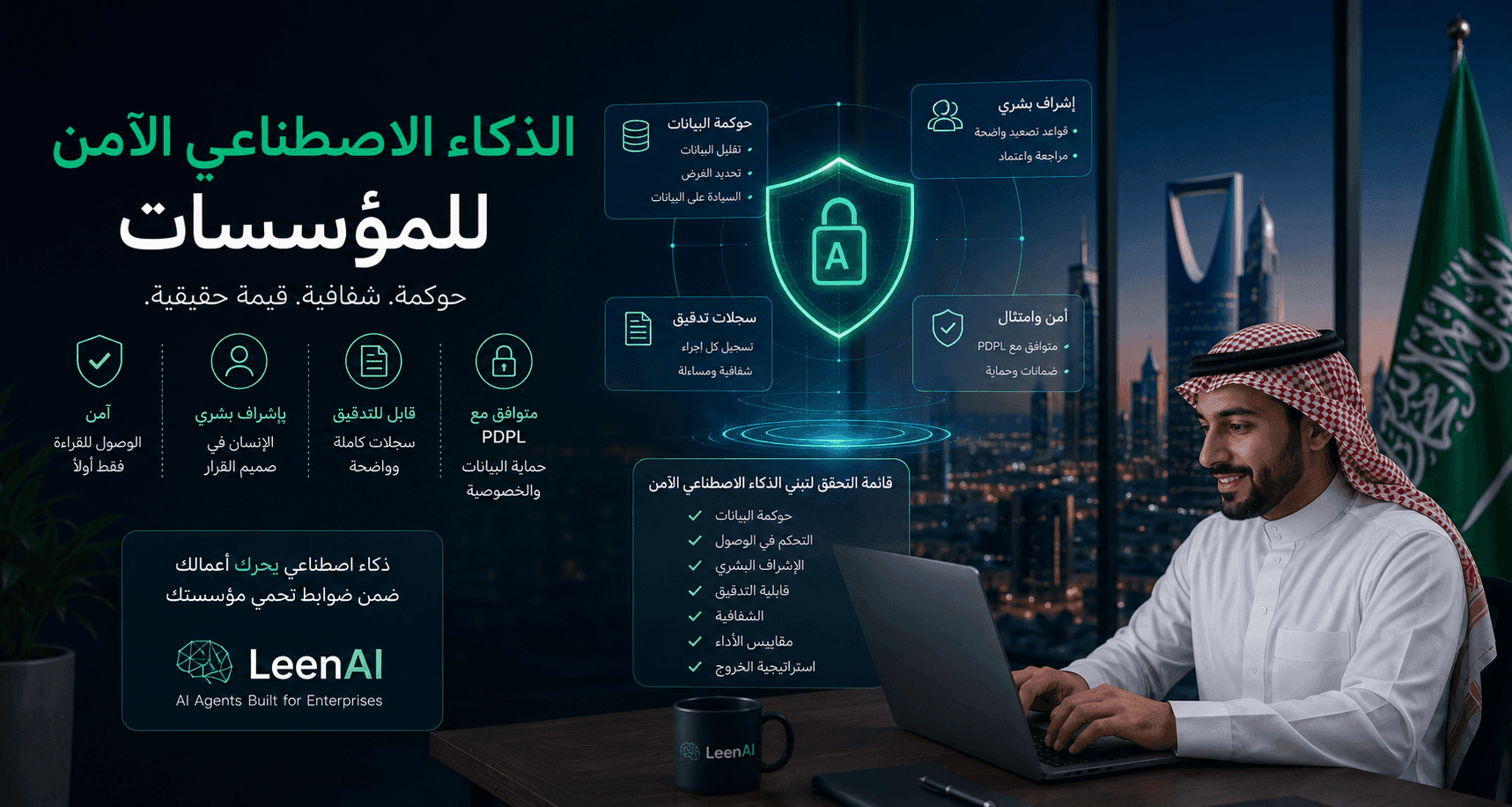
يعد نظام حماية البيانات الشخصية (PDPL) حجر الزاوية في حوكمة البيانات داخل المملكة، حيث يضمن التعامل مع البيانات الشخصية بأعلى معايير الأمان والخصوصية. بالنسبة للشركات التي تعتمد أنظمة الذكاء الاصطناعي، فإن الامتثال لنظام حماية البيانات ليس مجرد مطلب تنظيمي بل هو ضرورة استراتيجية. إنه يحمي المؤسسات من المخاطر القانونية ويعزز الثقة مع الأطراف المعنية من خلال إظهار الالتزام بحماية البيانات الشخصية.
ما هي العناصر الأساسية للامتثال لنظام حماية البيانات؟
للتوافق مع نظام حماية البيانات، يجب مراعاة عدة عناصر أساسية. أولاً، إقامة البيانات أمر بالغ الأهمية؛ يجب تخزين ومعالجة البيانات الشخصية داخل المملكة العربية السعودية ما لم يتم منح إذن صريح بخلاف ذلك. بالإضافة إلى ذلك، تعد سجلات التدقيق ضرورية للحفاظ على الشفافية والمساءلة، مما يتيح للمؤسسات تتبع الوصول إلى البيانات وأنشطة المعالجة. علاوة على ذلك، يضمن تنفيذ آليات الإنسان في الحلقة أن القرارات التي تتخذها الذكاء الاصطناعي يمكن مراجعتها وتعديلها من قبل المشغلين البشريين، مما يضيف طبقة من الرقابة الحاسمة للامتثال.
كيف تعزز استراتيجية القراءة فقط أولاً الامتثال؟
تعد استراتيجية القراءة فقط أولاً حيوية لتقليل المخاطر المرتبطة بالتعامل مع البيانات. يجب أن تصل أنظمة الذكاء الاصطناعي إلى البيانات في وضع القراءة فقط بشكل افتراضي، مما يضمن عدم حدوث تعديلات غير مصرح بها. هذا النهج لا يتماشى فقط مع مبادئ نظام حماية البيانات في تقليل البيانات، بل يقلل أيضًا من احتمالية حدوث اختراقات للبيانات. عندما تكون التعديلات ضرورية، يجب تسجيلها ومراجعتها بدقة للحفاظ على معايير الامتثال.
لماذا تعتبر القدرة الثنائية اللغة مهمة في أنظمة الذكاء الاصطناعي؟
في سياق المملكة العربية السعودية، تعتبر القدرات الثنائية اللغة في أنظمة الذكاء الاصطناعي ليست مجرد راحة بل ضرورة. نظرًا لأن اللغة العربية هي اللغة الأساسية، يجب أن تكون أنظمة الذكاء الاصطناعي قادرة على معالجة وفهم البيانات باللغة العربية بكفاءة. تعزز هذه القدرة قابلية استخدام النظام وتضمن أن جميع التفاعلات تتوافق مع نظام حماية البيانات، الذي قد يتطلب التعامل مع البيانات باللغة الأصلية. تقدم حلول مثل OpsRAG من LeenAI دعمًا قويًا للغة العربية، مما يوفر ميزة كبيرة في الامتثال والكفاءة التشغيلية.
ماذا يقدم الطيار لمدة 6 أسابيع للامتثال لنظام حماية البيانات؟
يعتبر الطيار المنظم لمدة 6 أسابيع أداة أساسية لإثبات الامتثال لنظام حماية البيانات. يتيح للشركات تقييم أنظمة الذكاء الاصطناعي في بيئة منضبطة، مع التركيز على مؤشرات الأداء الرئيسية مثل وقت الاقتباس الأول (TTQ) وحل الاتصال الأول (FCR). مع حزمة القبول من LeenAI، تحصل المؤسسات على اختبار قبول المستخدم الشامل (UAT)، وتقييمات، وكتب تدريبية تضمن أن الحل الذكاء الاصطناعي يحقق الأهداف التشغيلية ومتطلبات الامتثال.
كيف تضمن الامتثال المستمر والتحسين؟
يتطلب الامتثال المستمر مراقبة وتحسين مستمر لأنظمة الذكاء الاصطناعي. تعتبر عمليات التدقيق المنتظمة، والتحديثات للتوافق مع التغيرات التشريعية، وتدريب الموظفين على متطلبات نظام حماية البيانات ضرورية. يوفر استخدام حلول الذكاء الاصطناعي مع سجلات التدقيق المدمجة وتتبع الامتثال، مثل تحدث إلينا في LeenAI، يضمن أن المؤسسات يمكنها الحفاظ على معايير عالية لحماية البيانات والتميز التشغيلي.
الخلاصة
الامتثال لنظام حماية البيانات هو جانب لا يمكن التفاوض عليه عند نشر أنظمة الذكاء الاصطناعي في المملكة العربية السعودية. من خلال الالتزام بهذه الإرشادات والاستفادة من الحلول المصممة مع الامتثال في جوهرها، يمكن للشركات تحقيق النجاح التنظيمي والتشغيلي، وتعزيز الثقة والابتكار في مبادراتها الخاصة بالذكاء الاصطناعي.