
ما هي مساعدات الذكاء الاصطناعي لقاعدة المعرفة؟
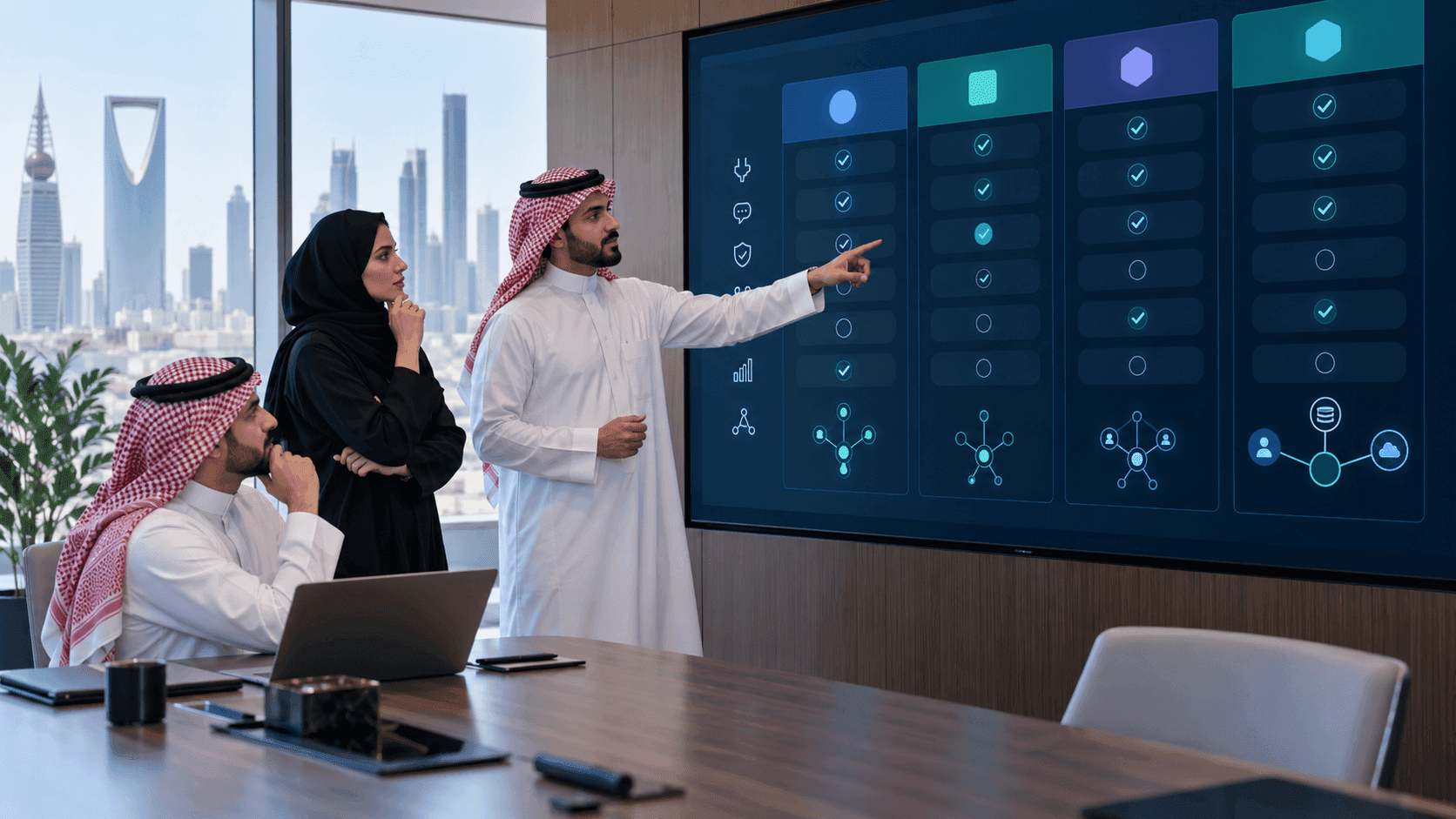
تُعد مساعدات الذكاء الاصطناعي لقاعدة المعرفة أنظمة مصممة لتوفير وصول فوري للمستخدمين إلى المعلومات المخزنة في مستودعات المعرفة الخاصة بالمؤسسة. تستخدم هذه الوكلاء الذكاء الاصطناعي معالجة اللغة الطبيعية لفهم الاستفسارات وتقديم إجابات دقيقة وذات صلة بالسياق. من خلال التكامل مع قواعد البيانات الحالية، تمكن المستخدمين من استرجاع المعلومات بسرعة، مما يعزز الإنتاجية وكفاءة اتخاذ القرار داخل المؤسسات.
في سياق المملكة العربية السعودية، حيث تكون الاتصالات ثنائية اللغة ضرورية غالبًا، تكون هذه المساعدات ذات قيمة خاصة. يمكنها معالجة والرد على الاستفسارات باللغتين العربية والإنجليزية، مما يضمن عدم وجود حواجز تواصل تعيق الوصول إلى المعلومات الحيوية. هذه القدرة ضرورية للمؤسسات التي تهدف إلى تبسيط العمليات عبر بيئات لغوية متنوعة.
لماذا يعتبر دعم اللغة العربية أمرًا حاسمًا؟
يُعد دعم اللغة العربية أمرًا أساسيًا في الأنظمة الذكاء الاصطناعي المطبقة داخل المؤسسات السعودية بسبب انتشار اللغة العربية في الأعمال والعمليات الحكومية. تساعد مساعدات الذكاء الاصطناعي القادرة على الفهم والتفاعل باللغة العربية في تحسين تجربة المستخدم وضمان الامتثال للوائح الإقليمية، مثل قانون حماية البيانات الشخصية السعودي (PDPL).
علاوة على ذلك، يعد توفير الخدمات باللغة العربية متماشيًا مع أهداف رؤية 2030 السعودية للتحول الرقمي وتوطين التكنولوجيا. بدعم اللغة العربية، يمكن لمساعدات الذكاء الاصطناعي الوصول إلى جمهور أوسع، مما يعزز الشمولية ويمكن المؤسسات من استغلال كامل إمكانيات قوتها العاملة.
كيف تضمن مساعدات الذكاء الاصطناعي الامتثال لـ PDPL؟
الامتثال لقانون حماية البيانات الشخصية السعودي هو اعتبار حاسم لأي نظام ذكاء اصطناعي. تحقق مساعدات الذكاء الاصطناعي لقاعدة المعرفة هذا من خلال عدة آليات. أولاً، تعمل على أساس القراءة فقط أولاً، مما يضمن عدم تغيير أو حذف البيانات دون تفويض صريح. هذا النهج يقلل من المخاطر المرتبطة بالاختراقات الأمنية والوصول غير المصرح به.
بالإضافة إلى ذلك، تحتفظ هذه الأنظمة بسجلات تدقيق شاملة، تسجل كل تفاعل وحدث وصول إلى البيانات. هذه الميزة توفر للمؤسسات القدرة على تتبع استخدام البيانات وضمان المساءلة، وهو أمر ضروري للحفاظ على الثقة والشفافية مع أصحاب المصلحة.
كيفية تنفيذ مساعد قاعدة معرفة بالذكاء الاصطناعي: دليل خطوة بخطوة
لتنفيذ مساعد قاعدة معرفة بالذكاء الاصطناعي في مؤسسة سعودية، ابدأ بتقييم احتياجات مؤسستك المحددة وبنيتها التحتية المعرفية الحالية. حدد المجالات الرئيسية حيث يمكن للذكاء الاصطناعي تحسين عمليات استرجاع المعلومات واتخاذ القرار.
بعد ذلك، اختر منصة ذكاء اصطناعي تدعم القدرات الثنائية اللغة وتلتزم بـ PDPL. تقدم LeenAI مجموعة من الحلول مثل OpsRAG المصممة لتلبية هذه المتطلبات. حدد مؤشرات الأداء الرئيسية ومعايير القبول لتقييم نجاح التجربة.
أخيرًا، قم بدمج مساعد الذكاء الاصطناعي مع أنظمتك الحالية ودرّب الموظفين على استخدام التكنولوجيا الجديدة بفعالية. قدم الدعم المستمر وقم بإجراء تقييمات منتظمة لضمان استمرار النظام في تلبية احتياجات مؤسستك.
ما الفوائد التي يمكن أن تتوقعها المؤسسات؟
من خلال نشر مساعد قاعدة معرفة بالذكاء الاصطناعي، يمكن للمؤسسات أن تتوقع عدة فوائد ملموسة. يؤدي تحسين الوصول إلى المعلومات إلى اتخاذ قرارات أسرع وتعزيز الكفاءة التشغيلية. يضمن الدعم الثنائي اللغة تواصل سلس، مما يقلل من سوء الفهم والأخطاء.
علاوة على ذلك، فإن القدرة على الامتثال للوائح PDPL تعزز الثقة والثقة بين العملاء وأصحاب المصلحة. ونتيجة لذلك، يمكن للمؤسسات تحسين سمعتها وميزتها التنافسية في السوق.
للحصول على مزيد من المعلومات حول كيفية دعم وكلاء الذكاء الاصطناعي من LeenAI لمؤسستك، تواصل معنا اليوم.