
فهم الحاجة إلى بحث المستندات بالذكاء الاصطناعي بالعربية
في سياق الشركات السعودية، تعتبر القدرة على البحث وإدارة المستندات العربية بكفاءة أمرًا حيويًا. مع تزايد رقمنة العمليات التجارية تماشيًا مع رؤية 2030، يزداد حجم البيانات النصية العربية بسرعة. وهذا يتطلب أدوات ذكاء اصطناعي متقدمة قادرة على معالجة واسترجاع المعلومات بدقة من هذه المستندات. على عكس الأنظمة البحثية العامة، يمكن لنهج قائم على الذكاء الاصطناعي مصمم خصيصًا لفهم تفاصيل اللغة العربية أن يُحسن بشكل كبير عمليات استرجاع البيانات.
لا يتعلق تبني أدوات البحث بالذكاء الاصطناعي بالكفاءة فحسب، بل يتعلق أيضًا بالامتثال. مع وجود قانون حماية البيانات الشخصية السعودي (PDPL)، يجب على الشركات التأكد من أن أي نظام ذكاء اصطناعي يستخدمونه يمتثل للوائح، ويوفر سجلات تدقيق وخيارات إقامة بيانات. وهنا تأتي أهمية الأنظمة الذكية المحكومة مثل تلك التي تقدمها LeenAI.
الميزات الرئيسية للبحث الفعال بالذكاء الاصطناعي بالعربية
يجب أن يتضمن نظام البحث الفعال بالذكاء الاصطناعي للمستندات العربية عدة ميزات رئيسية. أولًا، يجب أن يكون ثنائي اللغة، يدعم كل من العربية والإنجليزية، لتلبية الاحتياجات اللغوية المتنوعة للشركات السعودية. هذه القدرة الثنائية اللغة تضمن أن جميع المستخدمين يمكنهم التفاعل مع النظام بلغتهم المفضلة، مما يزيد من الوصول والرضا.
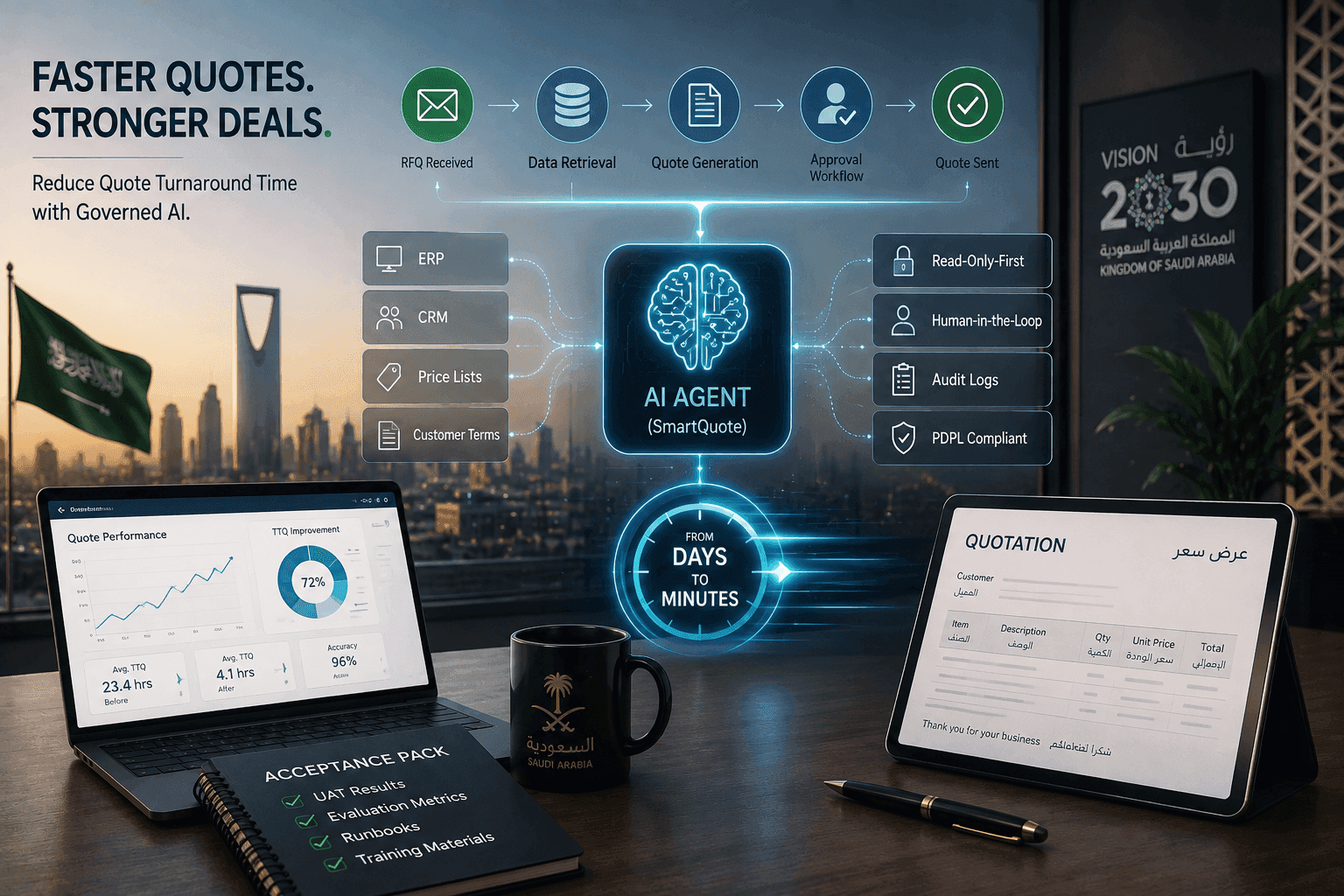
علاوة على ذلك، يجب أن يتضمن النظام حوكمة تقرأ فقط أولًا وتضع الإنسان في الحلقة. وهذا يعني أن الذكاء الاصطناعي يعالج البيانات دون تغييرها، مما يحافظ على سلامة البيانات ويسمح بالإشراف البشري في النقاط الحرجة. هذه الحوكمة ضرورية للحفاظ على الثقة وضمان الامتثال لقانون PDPL.
تنفيذ البحث بالذكاء الاصطناعي في شركتك
يتضمن تنفيذ البحث بالذكاء الاصطناعي في الشركات السعودية عدة خطوات. أولًا، تحتاج المنظمات إلى تقييم أنظمة إدارة المستندات الحالية وتحديد الفجوات التي يمكن للذكاء الاصطناعي سدها. يجب أن يأخذ هذا التقييم في الاعتبار كل من القدرات التقنية للأنظمة الحالية والمتطلبات الخاصة للشركة.
بعد ذلك، يعد اختيار الشريك المناسب للذكاء الاصطناعي أمرًا ضروريًا. تقدم شركات مثل LeenAI أنظمة ذكاء اصطناعي محكومة مصممة خصيصًا للسياق السعودي، مما يضمن الامتثال والفعالية. يجب على الشركات البحث عن شركاء يقدمون دعمًا شاملاً، بما في ذلك التدريب واختبار قبول المستخدم كجزء من حزمة القبول.
ضمان الامتثال والأمان
الامتثال لقانون PDPL هو جانب غير قابل للتفاوض في تبني الذكاء الاصطناعي في المملكة العربية السعودية. يجب أن تكون أنظمة البحث بالذكاء الاصطناعي مصممة مع مراعاة الخصوصية والأمان، ودمج ميزات مثل سجلات التدقيق وتقليل البيانات. تساعد هذه الميزات في ضمان قدرة الشركات على تتبع استخدام البيانات والحفاظ على السيطرة على معلوماتها.
تم بناء أنظمة LeenAI مع مراعاة هذه الاحتياجات الامتثالية، مما يوفر تدابير أمان قوية وقابلية كاملة للتدقيق. من خلال اختيار نظام ذكاء اصطناعي محكوم، لا تعزز الشركات قدراتها في البحث عن المستندات فحسب، بل تحمي أيضًا بياناتها من الوصول غير المصرح به وسوء الاستخدام.
قياس تأثير البحث بالذكاء الاصطناعي
بمجرد التنفيذ، من المهم قياس تأثير أنظمة البحث بالذكاء الاصطناعي على عمليات الشركة. يجب تتبع مؤشرات الأداء الرئيسية مثل الوقت للاستعلام (TTQ)، وحل الاتصال الأول (FCR)، ومتوسط زمن المعالجة (AHT) لتقييم فعالية النظام.
توفر هذه المقاييس رؤى قيمة حول مدى أداء نظام الذكاء الاصطناعي وأين يمكن إجراء التحسينات. تم تصميم تجارب الذكاء الاصطناعي المحكومة من LeenAI لتحقيق هذه المؤشرات في غضون أسابيع قليلة، مما يوفر دليلاً ملموسًا على قيمة النظام.
الآفاق المستقبلية والخاتمة
مع استمرار الشركات السعودية في تبني التحول الرقمي، ستزداد أهمية دور الذكاء الاصطناعي في إدارة المستندات العربية. من خلال الاستثمار في أنظمة الذكاء الاصطناعي المحكومة، يمكن للشركات ليس فقط تحسين قدراتها في التعامل مع المستندات ولكن أيضًا ضمان الامتثال والأمان.
تقف LeenAI جاهزة لمساعدة الشركات في هذه الرحلة، مقدمًا حلولاً مصممة لتلبية الاحتياجات الحالية والتحديات المستقبلية. لمزيد من المعلومات حول كيفية دعم LeenAI لشركتك، تواصل معنا اليوم.