
ما هو إثبات مفهوم الذكاء الاصطناعي للمؤسسات؟
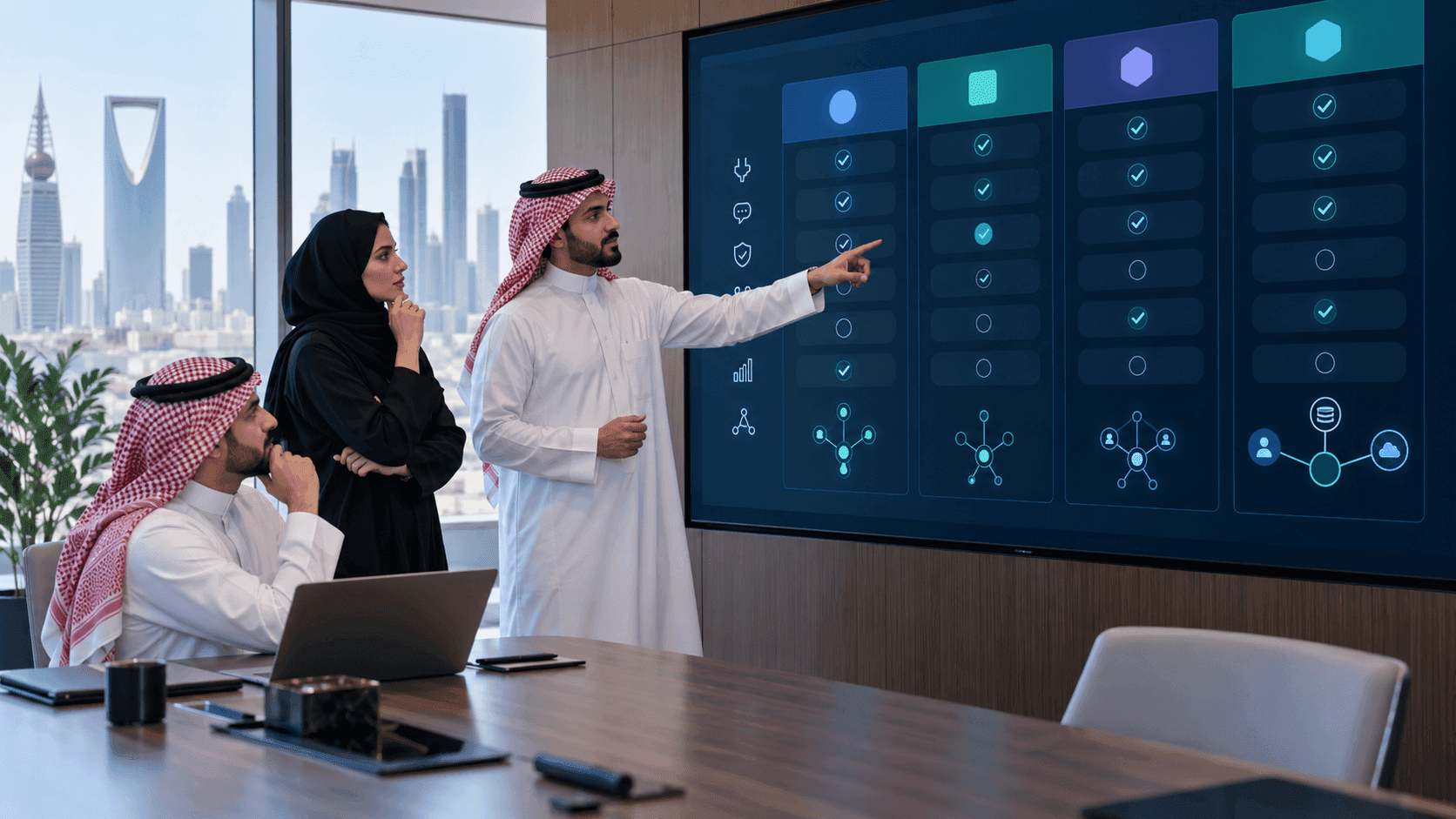
إثبات مفهوم الذكاء الاصطناعي هو خطوة حاسمة للمؤسسات التي تسعى لدمج حلول الذكاء الاصطناعي في عملياتها. يعمل كعرض تمهيدي لقدرات الذكاء الاصطناعي وتأثيره المحتمل على الأعمال. من خلال إجراء إثبات المفهوم، يمكن للمؤسسات تقييم ما إذا كانت حلول الذكاء الاصطناعي تلبي احتياجاتها الخاصة وتتماشى مع أهدافها الاستراتيجية. تتضمن هذه العملية عادة تحديد أهداف واضحة، واختيار النموذج المناسب للذكاء الاصطناعي، وتنفيذه في بيئة محكومة لاختبار جدواه وفعاليته.
في سياق المؤسسات السعودية، يجب أن يأخذ إثبات مفهوم الذكاء الاصطناعي في الاعتبار الامتثال لقانون حماية البيانات الشخصية السعودي (PDPL) وضمان التعامل مع أي بيانات مستخدمة بأقصى درجات العناية. يشمل ذلك تنفيذ سياسات القراءة فقط أولاً والحفاظ على نهج الإنسان في الحلقة لحماية سلامة البيانات وخصوصيتها.
كيفية تحديد الأهداف لإثبات مفهوم الذكاء الاصطناعي
تحديد أهداف واضحة وقابلة للقياس هو الخطوة الأولى في إثبات مفهوم الذكاء الاصطناعي الناجح. يجب أن تعكس هذه الأهداف التحديات والفرص المحددة داخل المؤسسة التي تهدف حلول الذكاء الاصطناعي إلى معالجتها. على سبيل المثال، قد يركز قائد المشتريات على تقليل وقت الاستجابة من خلال أتمتة عملية RFQ إلى الاقتباس.
لتحقيق نتائج ذات مغزى، من الضروري إشراك أصحاب المصلحة الرئيسيين منذ البداية، بما في ذلك المديرين التنفيذيين والمديرين الأقسام. يمكن لآرائهم أن تساعد في تحسين الأهداف وضمان توافقها مع الأهداف الاستراتيجية الأوسع للمؤسسة. بالإضافة إلى ذلك، يساعد تحديد هذه الأهداف في اختيار المقاييس الصحيحة لتقييم أداء حل الذكاء الاصطناعي خلال المرحلة التجريبية.
اختيار المقاييس الصحيحة للتقييم
اختيار المقاييس المناسبة أمر حاسم لتقييم نجاح إثبات مفهوم الذكاء الاصطناعي. يجب أن تكون هذه المقاييس مرتبطة مباشرة بالأهداف المحددة سابقًا وتوفر مؤشرًا واضحًا على فعالية حل الذكاء الاصطناعي. تشمل المقاييس الشائعة الدقة وتوفير الوقت وتخفيض التكاليف ورضا المستخدم.
على سبيل المثال، إذا كان الهدف هو تحسين خدمة العملاء من خلال الأتمتة، يمكن أن تكون مقاييس مثل معدلات الحل عند الاتصال الأول (FCR) ووقت التعامل المتوسط (AHT) مهمة في تقييم الأداء. من المهم ضمان تتبع هذه المقاييس باستمرار طوال إثبات المفهوم لتوفير رؤية شاملة لتأثير الذكاء الاصطناعي.
تنفيذ حل الذكاء الاصطناعي في مرحلة تجريبية
بمجرد تحديد الأهداف والمقاييس، تكون الخطوة التالية هي تنفيذ حل الذكاء الاصطناعي في مرحلة تجريبية. يتضمن ذلك نشر وكيل الذكاء الاصطناعي في بيئة محكومة لاختبار وظيفيته وجمع بيانات الأداء. خلال هذه المرحلة، من المهم الحفاظ على نهج الإنسان في الحلقة لمراقبة والتدخل عند الضرورة، وضمان عمل الذكاء الاصطناعي ضمن حواجز محددة مسبقًا.
بالنسبة للمؤسسات السعودية، يجب أن تركز هذه المرحلة أيضًا على الامتثال لقانون حماية البيانات الشخصية من خلال ضمان إقامة البيانات وتنفيذ سجلات التدقيق لتتبع استخدام البيانات. من خلال الالتزام بهذه المبادئ التوجيهية، يمكن للمؤسسات تقليل المخاطر وتعزيز الثقة في حل الذكاء الاصطناعي.
تحليل النتائج واتخاذ قرارات مستنيرة
الخطوة الأخيرة في عملية إثبات مفهوم الذكاء الاصطناعي هي تحليل النتائج التي تم الحصول عليها خلال المرحلة التجريبية. يتضمن ذلك مقارنة أداء حل الذكاء الاصطناعي مع الأهداف والمقاييس المحددة لتحديد جدواه للنشر الكامل. إذا أظهر إثبات المفهوم نتائج إيجابية، يمكن للمؤسسات المضي قدمًا بثقة، مع العلم أن حل الذكاء الاصطناعي يتماشى مع أهدافها التجارية ومتطلبات الامتثال.
في الحالات التي تكون فيها النتائج مختلطة أو سلبية، من المهم إجراء تحليل شامل لتحديد المجالات المحتملة للتحسين. يسمح هذا النهج التكراري للمؤسسات بتعديل استراتيجيات الذكاء الاصطناعي الخاصة بها وضمان أن أي نشرات مستقبلية تكون أكثر نجاحًا.
كيف يمكن لـ LeenAI دعم إثبات مفهوم الذكاء الاصطناعي الخاص بك
تقدم LeenAI حزمة قبول شاملة لكل تجربة ذكاء اصطناعي، بما في ذلك اختبار قبول المستخدم (UAT)، والتقييمات، وكتب التشغيل، والتدريب. تم تصميم وكلاء الذكاء الاصطناعي لدينا، مثل SmartQuote وWhatsApp CX، ليكونوا متوافقين مع قانون حماية البيانات الشخصية ويوفرون دعمًا ثنائي اللغة من اليوم الأول، مما يضمن التكامل السلس في المؤسسات السعودية. من خلال التعاون مع LeenAI، يمكنك الاستفادة من خبرتنا لتنفيذ إثبات مفهوم الذكاء الاصطناعي الناجح الذي يلبي احتياجات مؤسستك الفريدة.
الخاتمة
يُعد إجراء إثبات مفهوم الذكاء الاصطناعي خطوة استراتيجية للمؤسسات التي تتطلع إلى تسخير قوة الذكاء الاصطناعي. من خلال تحديد أهداف واضحة، واختيار المقاييس المناسبة، وتنفيذ حل الذكاء الاصطناعي في بيئة محكومة، يمكن للمؤسسات تقييم التأثير المحتمل للذكاء الاصطناعي بفعالية. باستخدام النهج الصحيح والدعم من شركاء ذوي خبرة مثل LeenAI، يمكن للمؤسسات السعودية اعتماد حلول الذكاء الاصطناعي بثقة تتماشى مع أهدافها الاستراتيجية ومتطلبات الامتثال.